Old Recipes, Old Rules, Old Results: Why 'Outdated' Methods Keep Winning
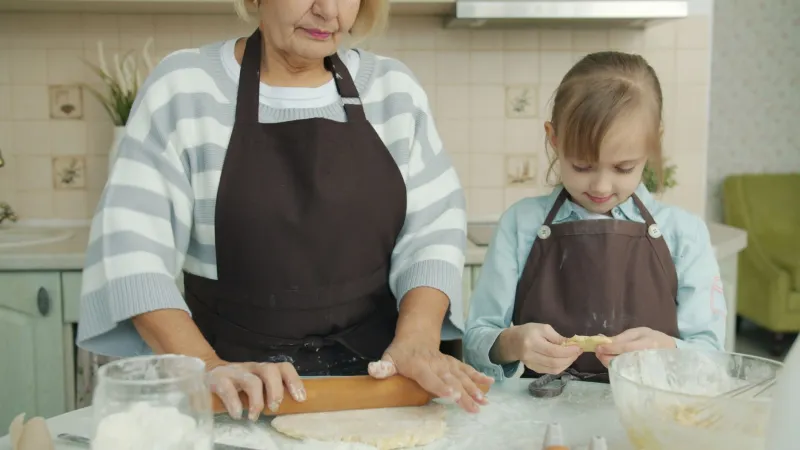
Somewhere in a suburb outside of Nashville, a woman named Carol has been making her mother's pound cake recipe since 1987. Not a version of it. Not an adaptation. The exact same recipe, on the same index card, with the same brand of butter her mother bought at the same grocery store chain that still exists in that town. Carol's pound cake is, by most accounts, extraordinary.
Her daughter once tried to improve it. She swapped in a higher-fat European-style butter, used a convection setting, and added a touch of almond extract that a food blogger had called "transformative." The result was fine. It was not Carol's pound cake.
This is a small story, but it points at something big.
The Upgrade Assumption
We've collectively bought into a particular story about progress: newer is better, faster is smarter, and anything described as "outdated" is politely waiting to be replaced. It's a story that works well for selling software subscriptions and kitchen appliances. It doesn't always hold up in practice.
Across woodworking, cooking, small business operations, and personal finance, families who've held onto older methods are increasingly finding themselves ahead of the curve — not because they resisted change for its own sake, but because the old approaches were solving real problems in ways that newer shortcuts simply don't.
The irony is that recognizing this has become its own kind of innovation.
In the Workshop: Hand Tools Are Having a Moment
Walk into any serious woodworking forum online — and there are many — and you'll find a passionate, growing community of craftspeople who've set aside their power routers in favor of hand planes, chisels, and card scrapers. The techniques are largely unchanged from what furniture makers used in the 18th and 19th centuries. The results, many argue, are superior.
The reason isn't nostalgia. It's physics and feedback. A well-tuned hand plane gives the craftsperson direct, tactile information about the wood grain, moisture, and resistance in a way that a power tool simply cannot. Mistakes are slower and more visible, which means they're caught earlier. The finished surface — properly hand-planed — is technically smoother than sanded or machined surfaces because it's sheared rather than abraded.
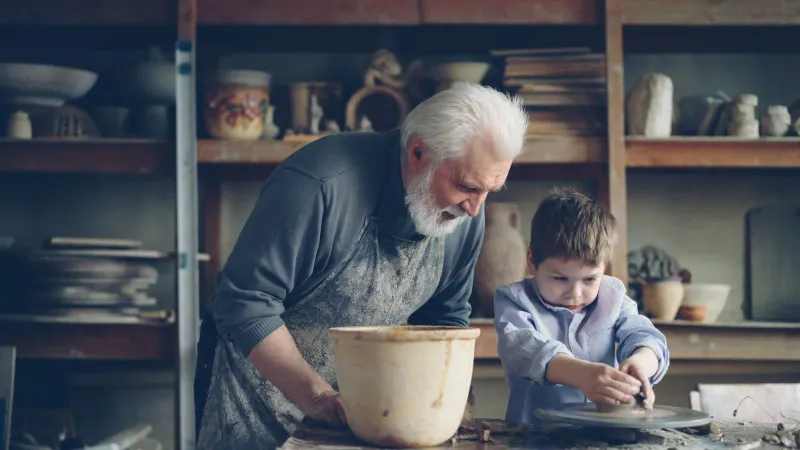
Families who kept these tools in the garage, who had a grandparent or parent who refused to throw out the old Stanley planes, are finding that those tools are now genuinely sought after. And the knowledge of how to use them? Even more so.
In the Kitchen: Slow Food Wasn't a Trend, It Was a Return
The fermentation revival, the sourdough explosion, the sudden mainstream interest in bone broth and long-simmered stocks — these aren't new ideas dressed up in modern packaging. They're old ideas that survived in family kitchens long after the food industry decided they were too inconvenient to scale.
Families who kept their sourdough starters alive, who learned to make kimchi or sauerkraut from grandmothers who learned from their grandmothers, are now the ones with the knowledge base that food entrepreneurs are actively seeking out. The science has caught up to confirm what those families already knew: fermented foods are nutritionally different from their industrial equivalents. Long-cooked stocks have measurably different collagen profiles than commercial broth. The slow method isn't just traditional — it's chemically distinct.
Documenting these techniques has become, as our headline suggests, an unexpected business opportunity. Recipe preservation projects, family cookbook publishing services, and culinary heritage consulting are all growth areas right now. People are paying real money to learn what used to be passed down at the kitchen table for free.
In Business: The Ledger Beats the Dashboard
Talk to small business owners who grew up in family operations, and a surprising number of them will tell you they still do some version of the books by hand — or at least review every line themselves rather than relying on automated summaries. This isn't technophobia. It's a discipline their parents drilled into them.
The older approach to small business finance — knowing where every dollar came from and where it went, keeping expenses visibly low, avoiding debt as a matter of personal pride rather than financial strategy — looks almost quaint against the backdrop of modern startup culture, with its venture funding and growth-at-all-costs mentality. But the data on small business survival tells a different story. Businesses run on lean, conservative financial principles tend to outlast their more aggressively financed competitors, especially through economic downturns.
The families who learned to run lean from parents who remembered harder times aren't just being cautious — they're applying tested risk management that's been stress-tested across real economic crises.
What Gets Lost When We Stop Asking
Here's the uncomfortable part: a lot of this knowledge is disappearing. Not because it stopped working, but because we stopped asking before we needed to.
The generation that holds the most intact knowledge of these techniques — people now in their 70s, 80s, and beyond — grew up in a world where these were simply how things were done. They didn't write it down because it didn't occur to them that anyone would forget. Why document how to make a proper roux? Everyone knows how to make a roux.
Except now, many people don't. And the window to capture it is closing.
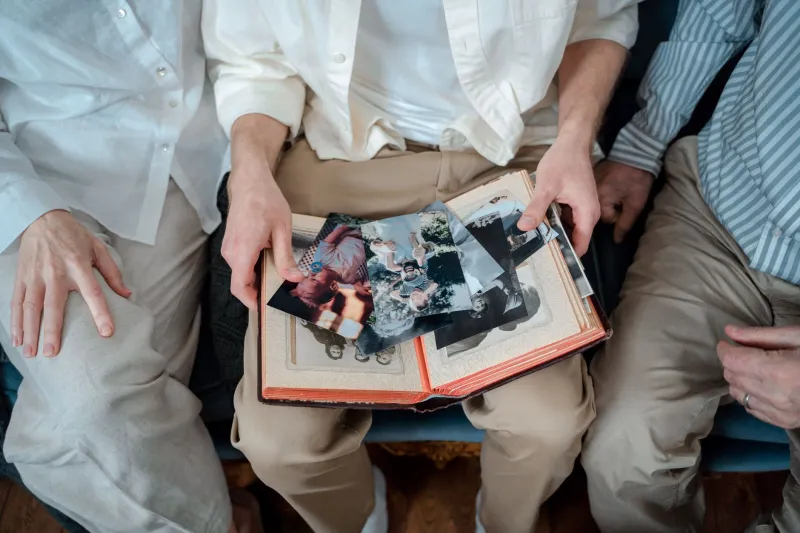
This is one of the things we think about a lot here at Pcs, En & Grandson. The knowledge that moves between generations in a family business or a family home isn't just sentimental — it has genuine functional value. The trick is recognizing it as such before the person who holds it is no longer around to share it.
The Documentation Opportunity
The good news is that the tools for capturing this knowledge have never been better. A smartphone can record a cooking session in high definition. A simple word processor can turn a handwritten recipe card into a searchable document. Video platforms make it possible to share a hand-planing demonstration with anyone in the world.
Families and small businesses that are deliberately investing time in capturing their older methods — filming the process, writing down the reasoning, interviewing the elders while they're still available — are building something that will have value for decades. Not just sentimental value. Market value.
Because it turns out that what we called "outdated" was often just ahead of its time — waiting for the rest of us to catch up.